
1. What is Polystyrene?
Polystyrene is a synthetic polymer formed from the polymerization of styrene monomers, with the chemical formula (C₈H₈)n. In its natural solid state, Polystyrene is a transparent, hard, and brittle plastic that can crack or shatter when subjected to impact. However, when heated, PS becomes soft and moldable, making it suitable for a wide range of processing methods, including injection molding, extrusion, and blow molding. This adaptability allows manufacturers to shape PS into a variety of forms depending on the product’s requirements.
There are two primary commercial forms of Polystyrene:
- GPPS (General Purpose Polystyrene):
GPPS is characterized by its clear, rigid appearance and glossy surface finish. It is commonly used in consumer goods that require transparency and aesthetic appeal, such as food containers, plastic drinking cups, lamp covers, cosmetic packaging, and CD/DVD cases.
- HIPS (High Impact Polystyrene):
HIPS is produced by blending Polystyrene with butadiene rubber, significantly improving its impact resistance and durability. Because of its toughness and formability, HIPS is widely used in engineering and structural applications, including television housings, refrigerator inner panels, electronic device casings, and control panel components.
2. Density of Polystyrene
The density of standard Polystyrene typically falls within the range of 1.04 to 1.06 g/cm³. While this is slightly higher than plastics like Polypropylene (PP) hoặc Polyethylene (PE), Polystyrene is still classified as a lightweight and easily handled material. Its density contributes to its rigidity and structural stability in finished products.
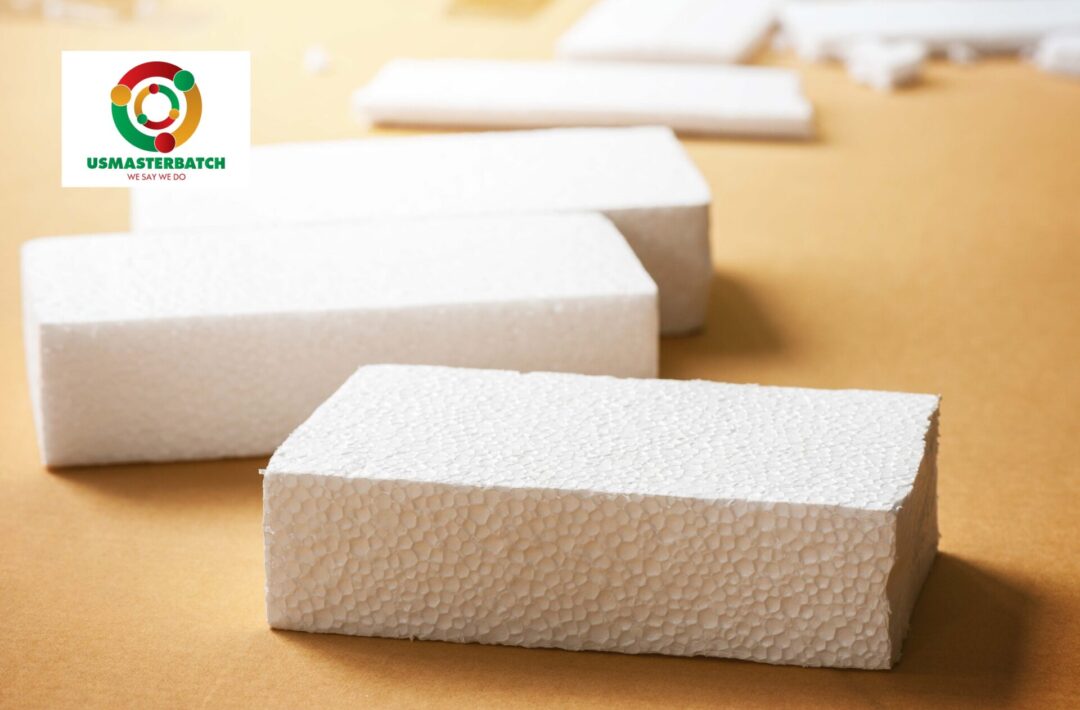
When Polystyrene is processed into foam, specifically EPS (Expanded Polystyrene), its density decreases drastically to 0.01–0.05 g/cm³. EPS foam has excellent thermal insulation, shock absorption, and soundproofing properties, making it widely used in construction insulation panels, protective packaging, and cushioning material in shipments.
3. Melt Flow Index (MFI) of Polystyrene
The Melt Flow Index (MFI) is a key indicator of the material’s melt viscosity and determines how easily it can flow during molding processes:
- GPPS: MFI range 2–8 g/10 min, ideal for products requiring smooth surfaces and clarity.
- HIPS: MFI range 1.5–6 g/10 min, offering higher toughness and resilience in the final product.
Selecting the appropriate MFI grade is crucial for manufacturers to optimize molding performance, maintain product consistency, and achieve high-quality surface finishing.
Ứng dụng của Polystyrene
4. Applications of Polystyrene
Polystyrene has a broad spectrum of applications across many industries:
- Packaging Industry: food storage containers, takeaway boxes, supermarket trays, disposable drinking cups, and egg cartons.
- Electrical & Electronics Industry: television housings, refrigerator liners, audio/video device parts, electrical switch components, and instrument covers.
- Construction Industry: EPS and XPS boards used for heat insulation, moisture resistance, and soundproofing in walls, ceilings, and roofing systems.
- Medical and Laboratory Equipment: test tubes, petri dish trays, sample containers, medical packaging, and disposable laboratory instruments.
- Household and Consumer Goods: plastic drinkware, food-grade storage containers, trays, toys, and various decorative items.
In addition to its wide usability, Polystyrene is recyclable, and many production facilities now incorporate recycling loops to reduce waste and lower environmental impact.
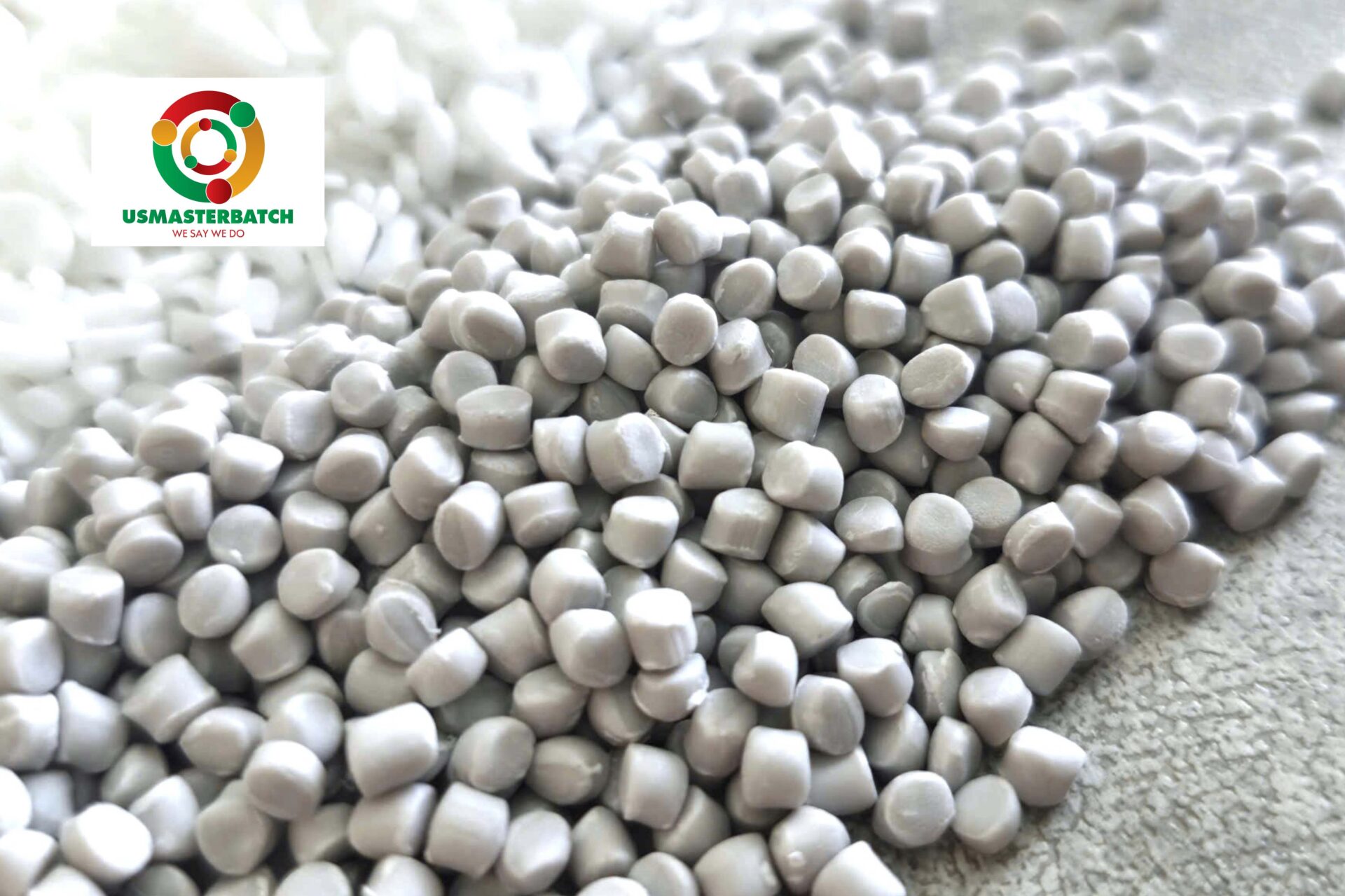
Talc filler masterbatch produced at US Masterbatch factory is applied to polystyrene products.
5. Conclusion
Polystyrene is a cost-effective, adaptable, and widely applicable thermoplastic that continues to play a vital role in manufacturing industries. Its stable density, flexible MFI range, and dependable mechanical properties make it an attractive choice for both consumer and industrial applications. To ensure consistent performance and product reliability, manufacturers should source Polystyrene from trusted suppliers with certified and stable material quality.